

The historical evolution of casinos from ancient games to modern marvels
The Origins of Gambling in Ancient Civilizations
The roots of gambling can be traced back to ancient civilizations where games of chance were played for entertainment and betting. The earliest known evidence dates back to around 3000 BC in China, where rudimentary games resembling dice were used. Similarly, ancient Egyptians engaged in gaming, utilizing various objects that foreshadowed the concept of gambling as we understand it today. These early games not only provided amusement but also played a role in social rituals and community bonding. Today, players can enjoy a modern take on these traditions at sites like zarbet.net.za.

In ancient Rome, gambling was both popular and widespread. Citizens could participate in various betting games, often centered around chariot races and gladiatorial contests. This era saw the emergence of rudimentary betting systems, showcasing humanity’s innate desire to wager on outcomes. However, the Romans also faced challenges as authorities often condemned gambling as a corrupting influence on society, leading to fluctuating acceptance throughout their empire.
The evolution of gambling continued with the introduction of card games in India during the 16th century, which spread to Persia and eventually reached Europe. The incorporation of cards revolutionized gaming and laid the groundwork for modern casino games. The melding of these diverse influences marks the beginning of a long journey towards the casinos we recognize today, illustrating how gambling has always been interwoven with human culture.
The Birth of the Modern Casino
The term “casino” derives from the Italian word “casa,” meaning house, and initially referred to small summer houses where people would gather for social events. In the 17th century, the first official casino, the Ridotto, was established in Venice. This venue marked a pivotal moment in gambling history, providing a structured environment for games and setting the stage for the modern gaming experience. Patrons could enjoy games like baccarat, which remains popular today, in an atmosphere designed for social interaction.
As gambling spread across Europe, the 19th century witnessed the proliferation of casinos. The establishment of the Monte Carlo Casino in Monaco in 1863 epitomized the glamour associated with gaming. It attracted the elite and wealthy, creating a culture around high-stakes gambling and luxurious entertainment. This era also saw the introduction of roulette and blackjack, two games that would become staples in casinos worldwide.
The concept of casinos expanded further during the 20th century, particularly in the United States. Las Vegas emerged as the ultimate gambling destination, combining entertainment, luxury, and gaming. The legalization of gambling in Nevada in 1931 marked a significant shift in public perception, transforming casinos into cultural landmarks. This evolution signaled a new age where casinos became synonymous with entertainment, drawing in millions of visitors and shaping the landscape of leisure activities.
The Rise of Online Casinos
The advent of the internet in the late 20th century revolutionized the gambling industry, leading to the establishment of online casinos in the mid-1990s. This innovation allowed players to enjoy their favorite games from the comfort of their homes, breaking geographical barriers that once defined the casino experience. Pioneers like Microgaming and CryptoLogic launched the first online gaming platforms, paving the way for a new era of digital gambling.
Online casinos have continuously evolved, incorporating advanced technology such as live dealer games, which simulate the in-person casino experience. Players can interact with real dealers via video streams, creating an immersive and engaging atmosphere. The growth of mobile gaming has further expanded access, enabling players to gamble anytime and anywhere, transforming gambling habits and preferences in unprecedented ways. Casino etiquette became important as players adapted to online norms.
The success of online casinos has also prompted regulatory bodies to establish frameworks that ensure fair play and security. This evolution has fostered trust among players, leading to a surge in participation. Today, countless online casinos offer a diverse array of games and betting options, providing a competitive market that caters to various tastes and preferences, further enriching the gambling landscape.
The Cultural Impact of Casinos
Casinos have significantly influenced culture, embodying themes of chance, risk, and glamour that permeate movies, music, and literature. Iconic films such as “Casino Royale” and “Ocean’s Eleven” portray the allure of gambling and the intricate strategies involved in high-stakes games. This cinematic representation has romanticized the casino experience, drawing in audiences and perpetuating the mystique surrounding these establishments.
Beyond entertainment, casinos have also played a crucial economic role in many regions. They generate substantial revenue through taxes, create employment opportunities, and stimulate local economies. Cities like Las Vegas and Atlantic City thrive on the tourism generated by their casinos, showcasing the symbiotic relationship between gambling and economic growth. The influx of visitors often leads to the development of associated industries, including hospitality and entertainment.
Culturally, casinos are places where diverse people converge, fostering social interactions and shared experiences. They serve as venues for celebrations and special occasions, solidifying their role as communal spaces. This aspect of casinos reflects humanity’s timeless fascination with chance and fortune, reinforcing their status as more than mere gaming establishments but as significant cultural hubs.
Exploring Today’s Casino Landscape
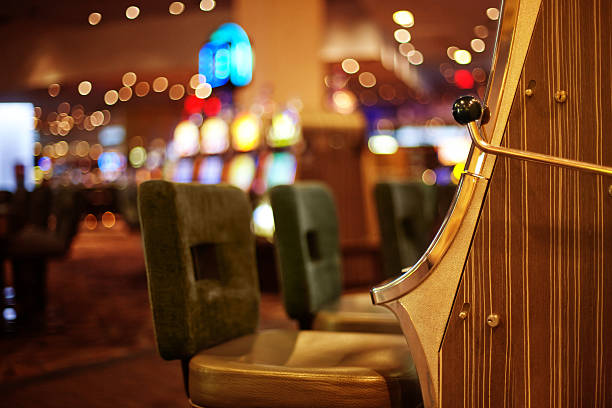
Today, the casino landscape is a vibrant tapestry woven from history, technology, and culture. Modern casinos offer a wide array of gaming options, from traditional table games to cutting-edge slot machines that feature innovative themes and interactive gameplay. This evolution caters to a diverse clientele, ensuring that both seasoned gamblers and newcomers can find engaging experiences tailored to their preferences.
In addition to gaming, contemporary casinos provide extensive entertainment options, including concerts, fine dining, and nightlife experiences. This multifaceted approach has transformed casinos into complete entertainment destinations, attracting a broader audience. For many, visiting a casino is not solely about gambling but about the holistic experience that combines excitement, luxury, and leisure.
With the ongoing advancements in technology, casinos are continuously adapting to meet the evolving expectations of players. Mobile gaming, virtual reality, and cryptocurrency integrations are just a few examples of how the industry is embracing change. As we look toward the future, the evolution of casinos promises to be an exciting journey, blending tradition with innovation to create unparalleled experiences for all.
